

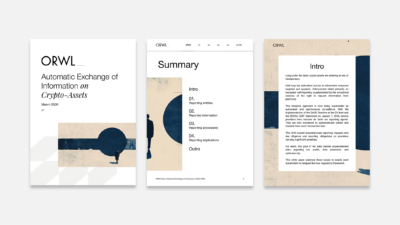
[White Paper] Automatic Exchange of Information on Crypto-Assets
Since January 1, 2026, the entry into force of DAC8 and CARF—organizing the automatic exchange of information for crypto-assets—marks a decisive milestone for the industry.
While this transparency could foster better integration of crypto-assets into the global financial system and simplify tax obligations for taxpayers, this shift toward industrial reporting also imposes new due diligence and reporting requirements on service providers, backed by significant sanctions. For users, this massive pool of tax data creates unprecedented risks, both in terms of tax audits and data protection and security.
This white paper analyzes these challenges to help every stakeholder navigate this new regulatory framework:
-
Reporting Entities: Who is required to report? Who must report in France?
-
Reporting Scope: Which information is transmitted (crypto-to-fiat, crypto-to-crypto, transfers, payments) and in what format?
-
Procedures and Sanctions: Mandatory self-certification mechanisms and financial risks (fines of up to €2,000,000).
-
Fundamental Rights: The impact of this mass surveillance on privacy and data security (the “honey pot” risk).
Excerpts
Download our White Paper
Our services in tax audits and crypto-assets
Since 2018, ORWL has been the French leader in supporting Web3 and crypto projects.
The firm stands out for its recognized experience, in-depth understanding of the sector’s challenges, and multidisciplinary approach.
The complementary nature of its teams enables the firm to advise companies and individuals on securing their Web3 projects and optimizing their tax situation with a global vision. The firm is also able to represent them in any disputes that may arise from their activities.
With our extensive experience, we regularly assist investors and projects in:
- Compliance for their activities: regarding the automatic exchange of crypto-information, we conduct activity audits, implement the necessary documentation and procedures, and prepare the data to be monitored and reported annually.
- Regularization of past tax filings.
- Defense of their interests before the tax authorities and the courts.